
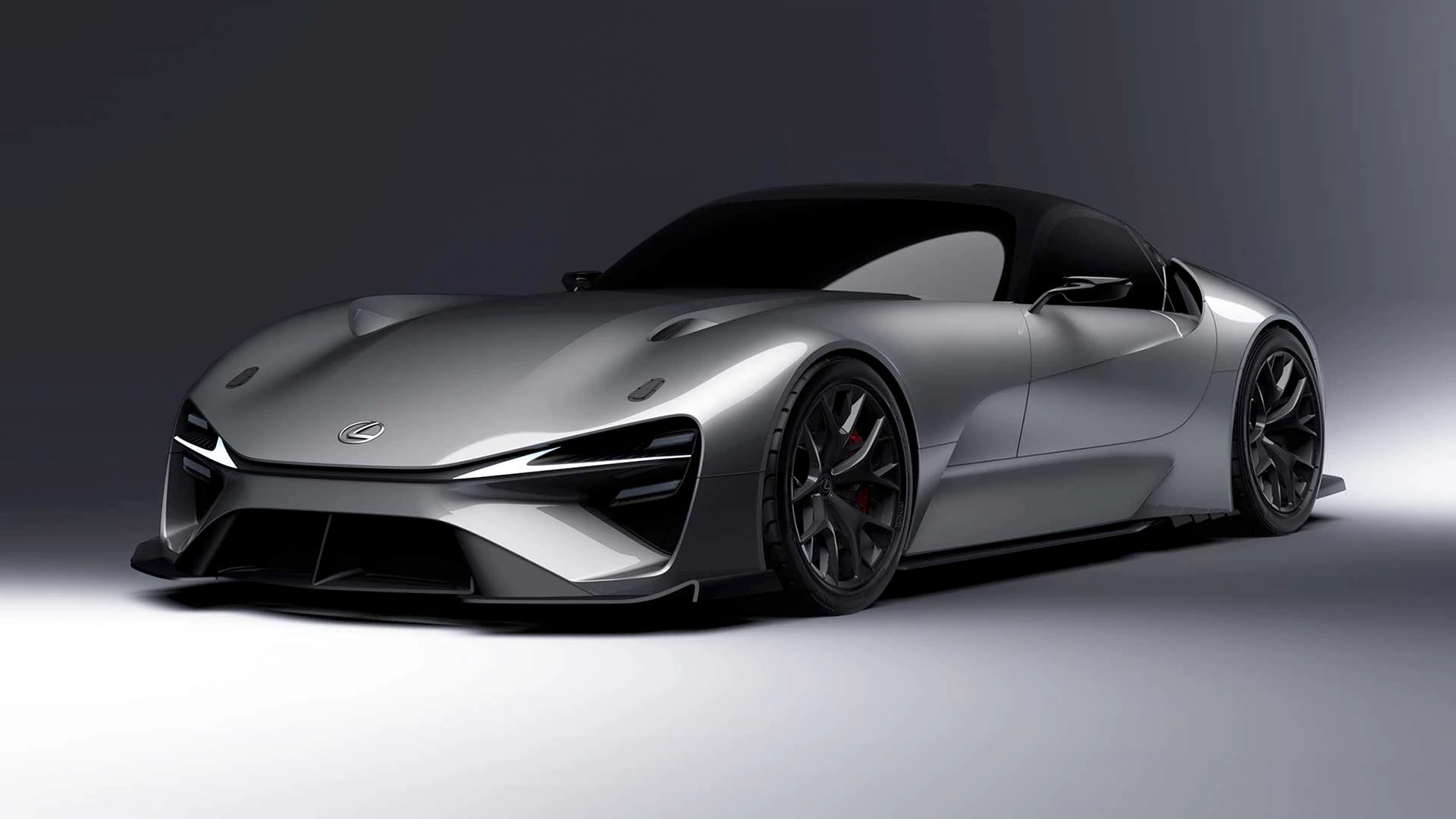
The History of Concept Cars: How Design Studios Predicted the Future (and Got It Wrong)
2026-07-31
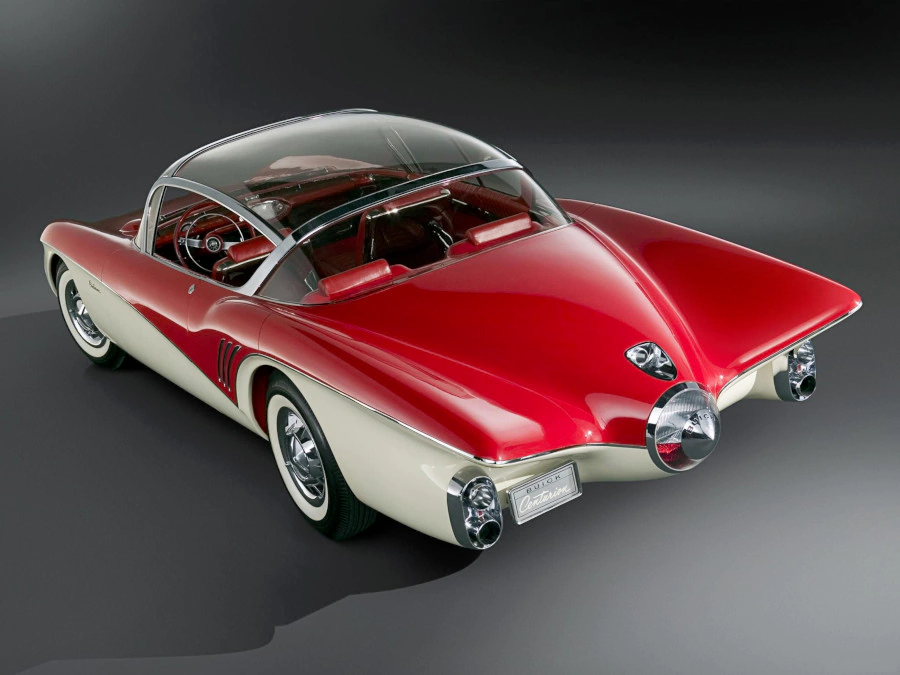
Picture it: a car with tailfins sharp enough to slice through the air, a bubble canopy that would make a fighter pilot feel at home, and a turbine engine that sounds like a jet spooling up for takeoff. It's 1956, and this is the future. Except, it's not. The car never sees production. Forty years later, we're driving boxes on wheels with engines that go vroom instead of whoosh.
That tension—between the concept car and the production reality—is the entire story of automotive design. The history of concept cars isn't a straight line of progress. It's a beautiful, expensive, and occasionally embarrassing series of educated guesses about what we want to drive versus what we actually end up buying.
Welcome to the design studio's crystal ball. It's often clouded, but man, is it fun to look through.
What a Concept Car Is Actually For
Before we dive into the hits and misses, let's clarify what a concept car is. Most car enthusiasts think it's a sneak peek of next year's model. That's a "pre-production prototype," and it's a very different beast.
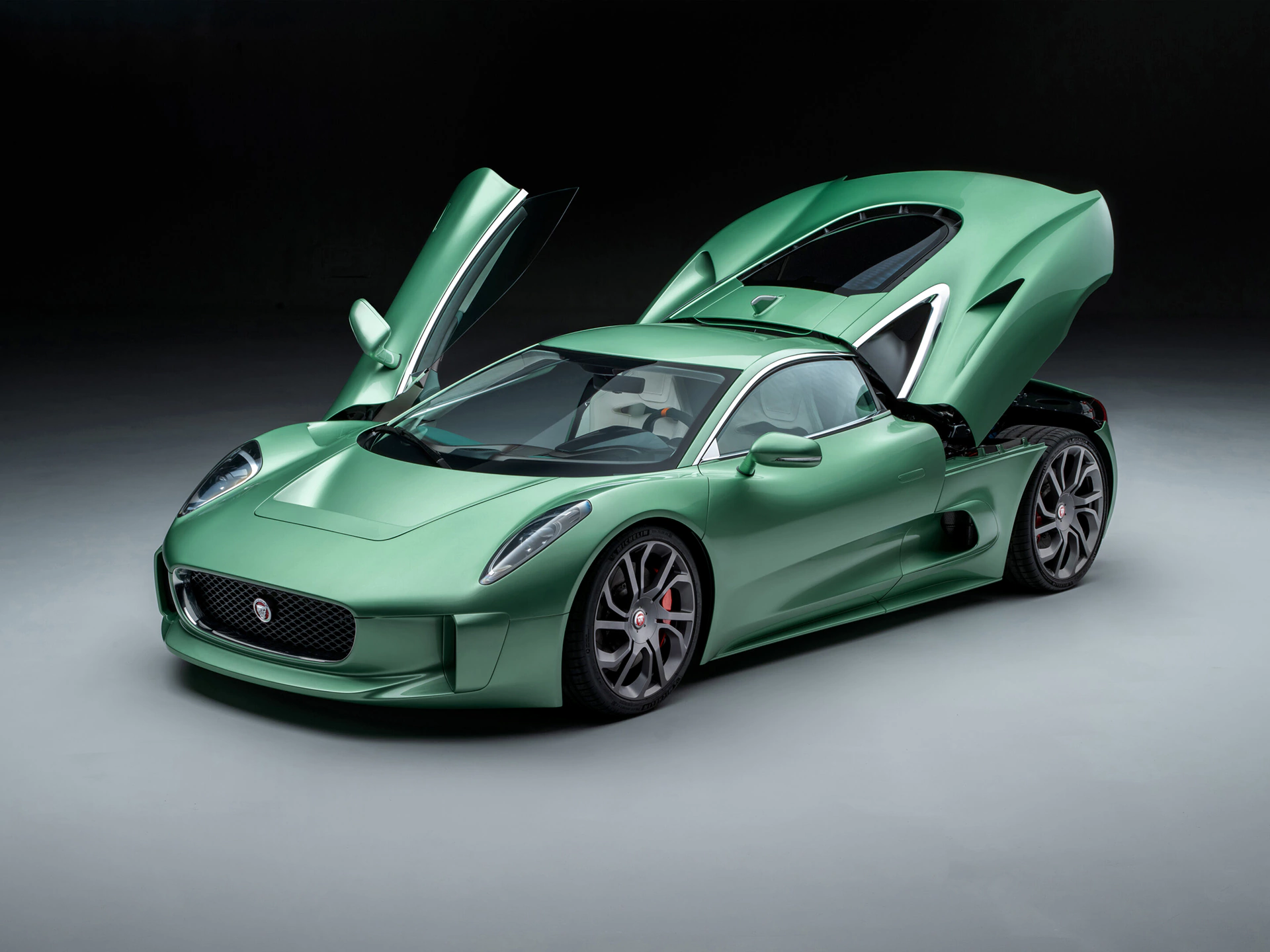
A concept car is a design hypothesis. It's a billboard on wheels. Its primary purpose is rarely to be built in your local factory. Instead, it's a tool for:
- Testing Public Reaction: Put a wild design in front of a crowd at an auto show and watch their faces. If they recoil, you've saved millions in tooling costs.
- Establishing a Design Language: Concept cars are the laboratory where studios experiment with new brand cues. A new grille shape, a radical lighting signature, or a fresh silhouette first appears on a show stand to gauge the visual temperature of the market.
- Pushing Engineering Boundaries: Sometimes, the concept is a test mule for technology that is five or ten years away, like early hybrids, or the digital dashboards of the 1980s.
- Generating Buzz: Let's be honest. A wild concept generates headlines. It keeps the brand in the conversation, even if the car sitting in the showroom next to it is a beige sedan.
There is a spectrum. On one end, you have the "Pure Fantasy" show cars—wild flights of fancy designed to draw a crowd. On the other, you have "Production Previews" —concepts that are 95% ready for the assembly line, just wearing a slightly more aggressive body kit to look cool on the turntable. Knowing the difference is key to understanding how forecasting works.
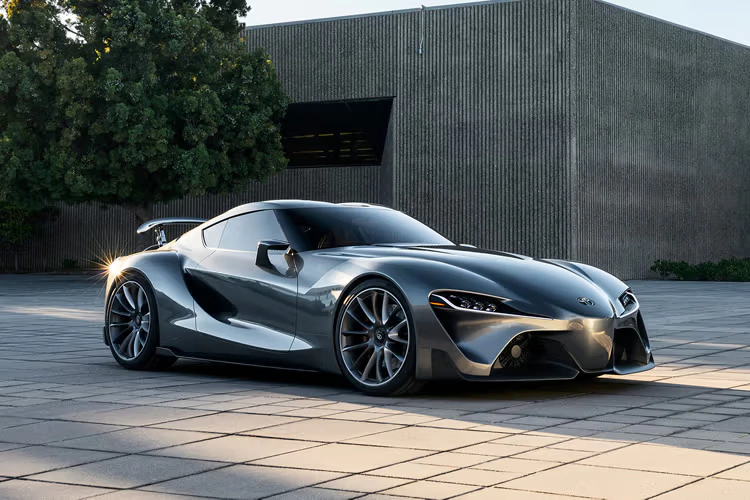
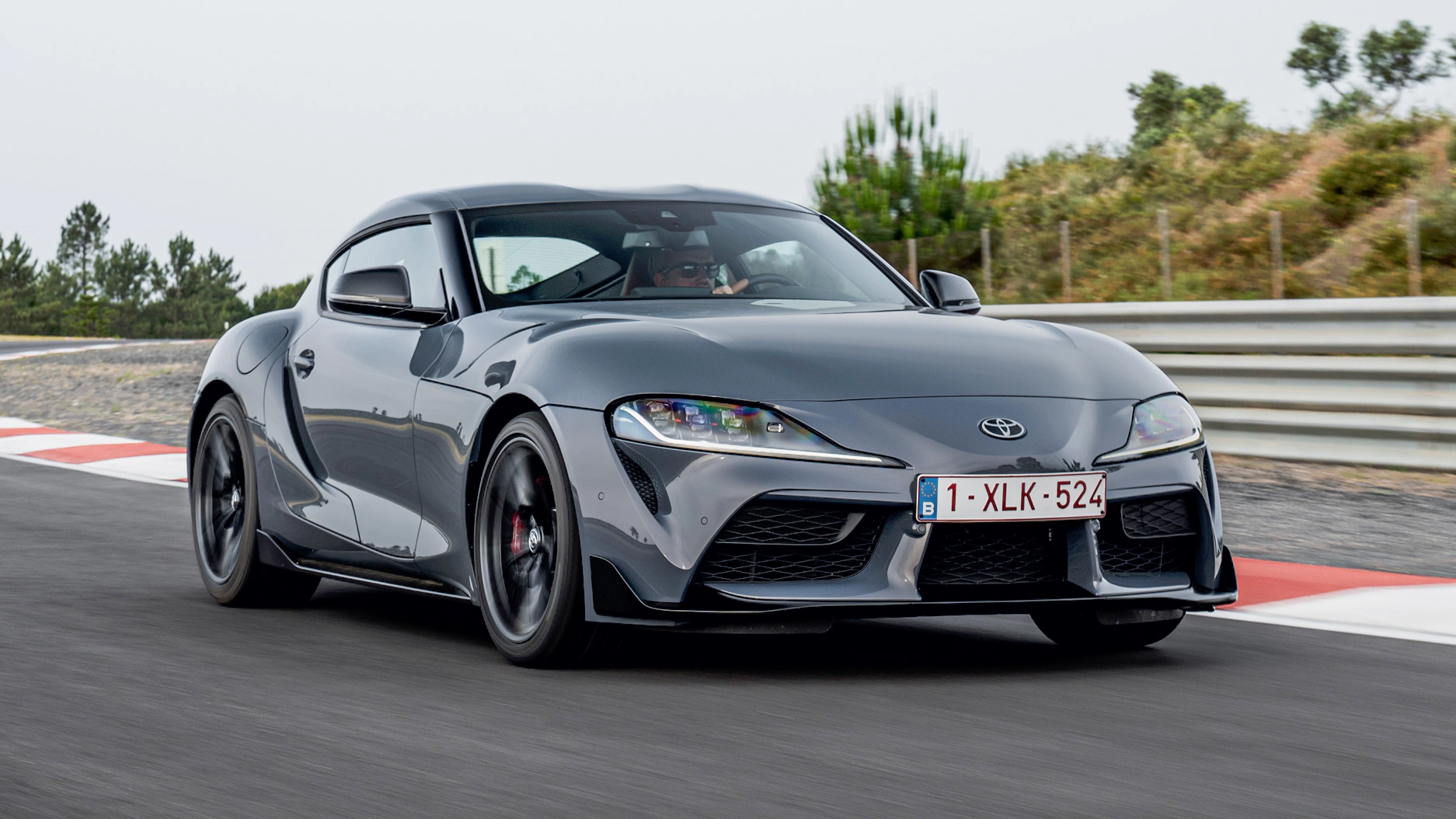
The Eras of Concept Car Forecasting
The 1950s–60s: Jet-Age Optimism and the "Atomic" Car
The post-war boom brought jet engines, space travel, and a boundless belief in technological utopia. Concept cars of this era looked like they were designed to drive on the moon.
The design language was unapologetically heavy-handed: massive tailfins (borrowed from fighter jets), heavy chrome detailing, and, most iconically, bubble canopies. Designers weren't just drawing cars; they were drawing spacecraft. The interior? Bucket seats for four and a dashboard that looked like a cockpit.
What they got right: The prediction that Americans would love style-forward, low-slung, powerful cars. This era cemented the "dream car" as a marketing necessity. The love affair with surface excitement (whether it was fins or sweeping lines) never died.
What they got spectacularly wrong: They vastly overestimated the public's appetite for impracticality. Turbine engines? They sounded cool but were loud, inefficient, and required materials that could withstand insane heat. Fins? They made cars unstable in crosswinds. By the early 1960s, the fins were shrinking, and the bubble canopies—which required you to climb over the side of the car—were mercifully dropped. The personal flying car never materialized, replaced by the reality of traffic jams on the interstate.
The 1970s–80s: The Wedge and the Digital Dawn
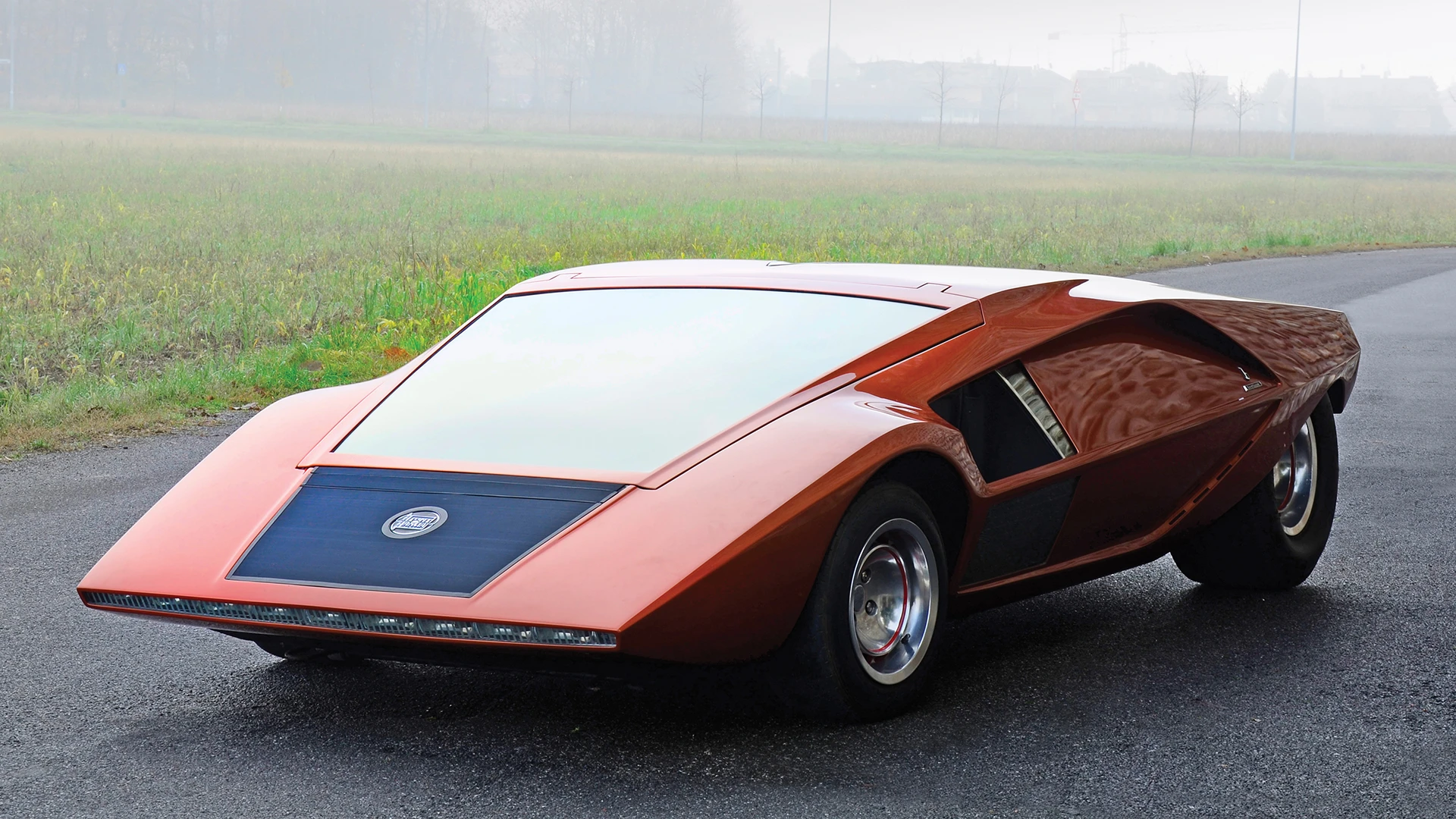
If the 50s were about optimism, the 70s were about "radical." We entered the wedge era. Cars got sharp, angular, and distinctly origami-like. This was driven by a confluence of factors: a need for aerodynamic efficiency (the wedge was actually functional) and a cultural shift toward futurism.
But the big story here was the dashboard. Concept cars in the late 70s and early 80s started featuring digital instrument clusters. Red LED readouts, touchscreens (well, primitive capacitive panels), and voice warnings. The designers saw a future where the driver was surrounded by glowing data.
What they got right: The prediction that the interior would digitize was spot on. Digital instrument clusters did eventually become the norm, first in high-end cars in the 2000s and then in every EV today. The idea of "information at a glance" was a correct intuition.
What they got wrong: The timing. The tech was decades too early. Early digital dashes were horrifically expensive, prone to failure, and difficult to read in direct sunlight. The consumer didn't trust them. The vision was correct, but the manufacturing and reliability costs killed it until the 2010s. The wedge shape itself, while cool, didn't result in a massive industry shift to origami-style cars; it simply influenced a few key production models (like the DeLorean or the Countach) but was mostly reduced to a styling accent on regular sedans.
The 1990s–2000s: Aerodynamics and "Self-Driving by 2000"
As we approached the new millennium, the predictions got bold. Many concepts from the early 90s promised that by the year 2000, we'd be reading newspapers while our cars drove us to work.
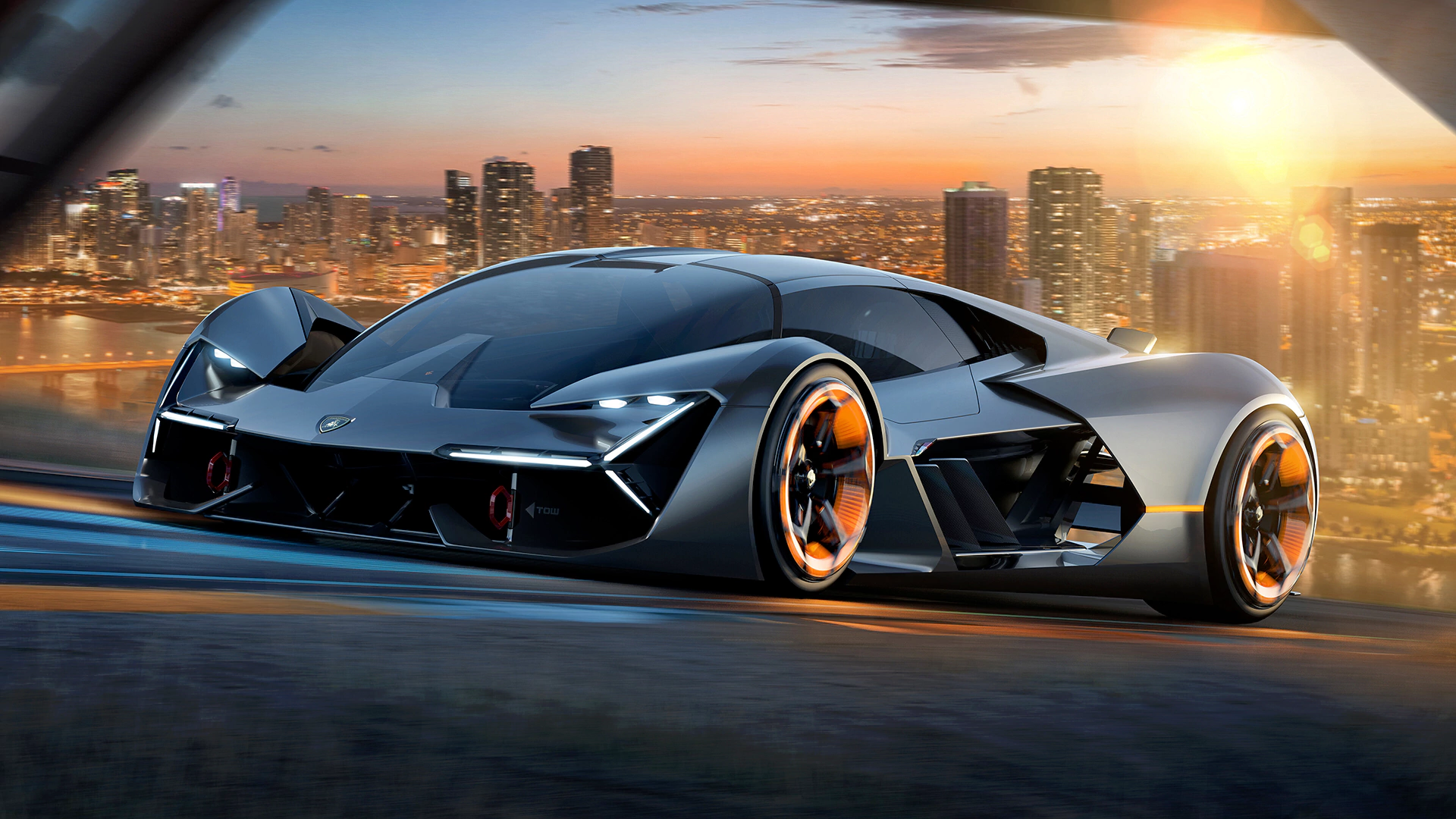
This era was defined by incredibly low drag coefficients. Concepts looked like smooth pebbles. Underneath, they housed complex (and often bulky) autonomous driving hardware that they swore would be miniaturized by production.
What they got right: Aerodynamics did become the primary driver of production design, leading to the "tumblehome" curves we see today. The obsession with wind tunnels gave us the sleek EVs of the modern era. The predictions about safety tech (collision warning, adaptive cruise) also filtered down, albeit in a less extreme form.
What they got wrong: The timeline for autonomy. Spectacularly wrong. The hardware wasn't there, the software certainly wasn't there, and the legal framework was non-existent. It's hard to look at a 1995 concept car promising "hands-off driving" in 5 years without laughing. They predicted the capability before we even had reliable GPS.
The 2010s–2020s: The EV and Autonomy Boom
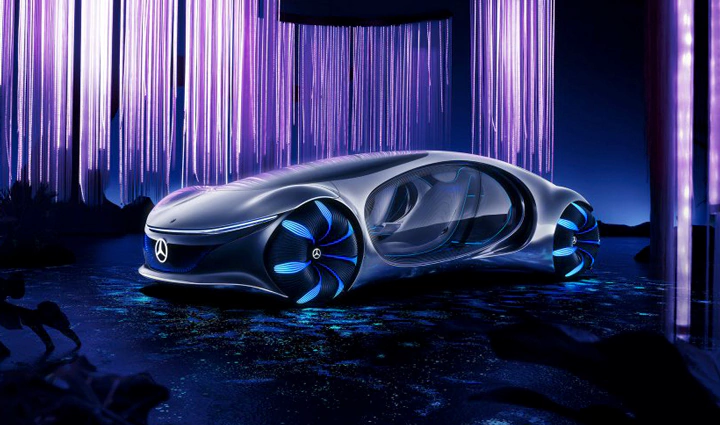
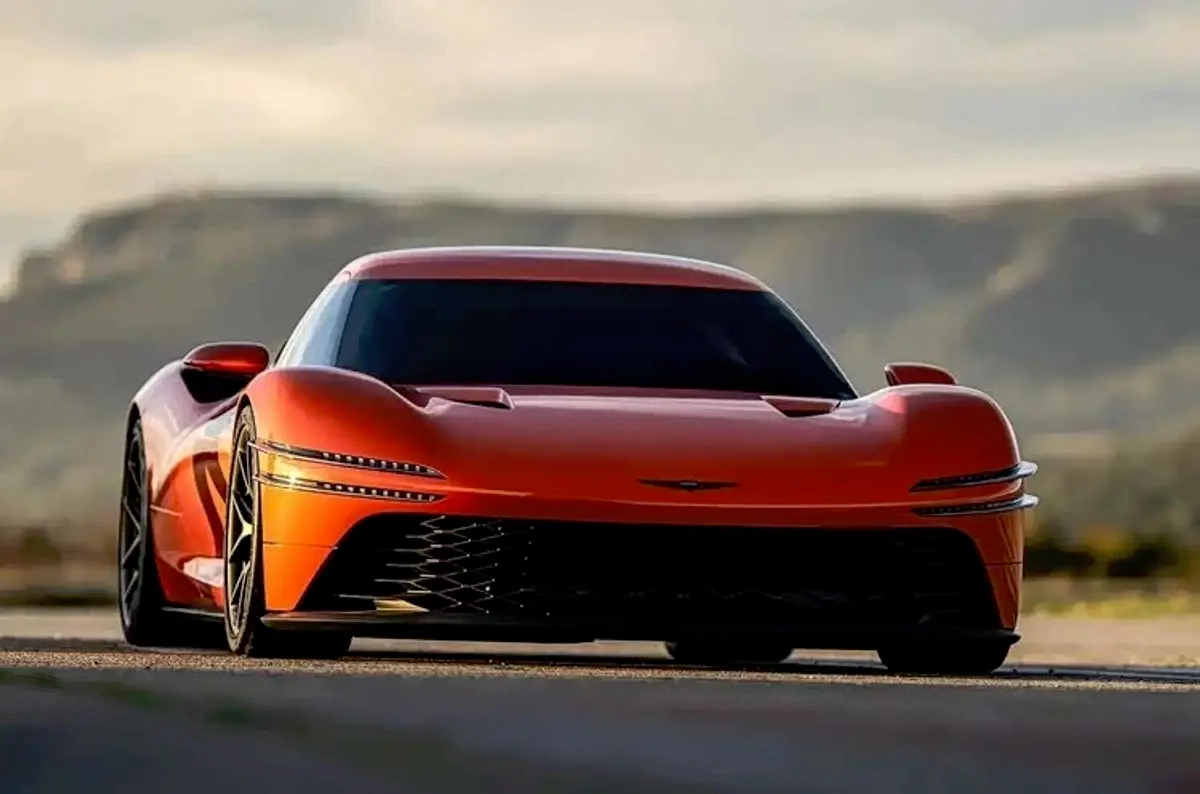
Today, concept cars are overwhelmingly electric. They share common traits: a "mono-volume" silhouette (pushing the wheels to the corners to maximize interior space), a minimalist interior, and a massive screen acting as the centerpiece of the dash. The buzzwords are "living room on wheels" and "software-defined vehicle."
What is aging well: The proportion of EVs. The skateboard chassis architecture is real. Removing the engine block allows for interiors that are far more spacious. The screen-heavy interiors are happening, and minimalism is definitely the prevailing trend.
What is unresolved (or likely wrong): The radical interior layouts. Yes, we have screens, but we don't have swiveling lounge chairs that face backward to make a conference room, primarily because regulators still require seatbelts and crash-testing for all seating positions. Full autonomy (Level 5) is still a moving target. The concept cars promise a living room; reality promises a car that still needs a driver occasionally.
Why Concept Cars Get the Future Wrong So Often
If designers are so smart, why do they miss the mark so consistently? It's because we confuse design forecasting with engineering roadmapping.
We forecast desire and technological possibility, but we are terrible at forecasting regulation, cost, and consumer behavior change.
A designer can draw a car that builds itself using nanotechnology. But that car is illegal, costs $10 million to make, and requires owners to change their commute habits. That is the fatal flaw. The concept is a hypothesis, not a roadmap.
As a designer, I don't design for production constraints; I design for expression. The production engineer is the one who has to figure out how to make it cheaply and legally. Usually, the expression wins in the studio, and the engineer wins on the assembly line.
The Predictions That Actually Did Come True
Despite the hubris, we have to give credit where it's due. The history of concept cars is filled with features that looked absurd in a fiberglass shell and ended up as standard equipment in your average family sedan.
- Digital Dashboards: As mentioned, concepts pioneered it. Today, it's rare to find a new car without a screen.
- Ambient Interior Lighting: The ability to change the color of your cabin lights to match your mood was a pure show-car gimmick. Now, it's a $400 option on a Toyota.
- Flush/Retractable Door Handles: Aerodynamic concepts often featured door handles that lay flat. Today, it's a hallmark of EVs trying to cut drag.
- Camera "Mirrors": We aren't quite there legally everywhere, but the trend is clear: concepts showed us we could replace the side mirrors with cameras, and it's starting to happen in production models globally.
- Head-Up Displays: Projecting speed and navigation onto the windshield was a sci-fi fantasy in the 80s. Now, it's a common safety feature.
These successes prove that the concept car is a vital function. It acclimatizes the public to new ideas. By seeing it on a show stand first, the feature becomes less scary by the time it arrives in the dealership.
What Today's Concept Cars Are Predicting Now
Looking at the current crop of concept cars, what is the industry betting on?
1. The "Software-Defined" Vehicle: Cars that evolve via over-the-air updates. The hardware is static, but the interface and features change. 2. Reinforced Minimalism: No buttons, fewer stalks, and voice-controlled everything. 3. Advanced Autonomy (L4): The slow march toward hands-off driving continues, but it is landing in geo-fenced zones rather than everywhere.
What will stick? The minimalism and the software. These are cheap to implement and highly desirable.
What will age like the bubble canopy? The radical interior layouts (the swiveling seats). The "living room" concept ignores the fact that most people just want to get from point A to B safely. If they are in a car, they don't want to turn it into a boardroom. Those interiors are going to be tamed down significantly for production because of safety regulations. We will have more space, but we won't be playing cards in the back seat on the highway.
Why This History Matters to Designers Today
Understanding this history is essential for a working designer. It is the ultimate calibration tool. When I sketch a new concept, I know I'm not drawing reality. I am drawing a proposition.
This history teaches us to distinguish between the feasible and the fantastic. It teaches us that while we should push boundaries, we must be self-aware enough to know that the public is slow to change.
The concept car studio is a risk-tolerant space. It is the only place where the design language can be tested without the fear of a recall. Knowing where the 1950s failed helps me know where to push and where to pull back in my own sketches.
Frequently Asked Questions
What is the difference between a concept car and a prototype?
A concept car is a design study used to gauge public reaction and display brand direction, often a non-running model. A prototype is a fully engineered, functional vehicle intended to test manufacturing and performance before production.
Why are concept cars usually not built?
They are typically too expensive to manufacture, don't meet safety or regulatory standards, and often lack the practicality required for mass-market sales. They prioritize design expression over cost or function.
Which decade had the most influential concept car designs?
The 1950s and 1960s were incredibly influential for establishing the "dream car" marketing strategy, while the 1970s and 1980s were pivotal for pioneering digital interiors. The 2010s reshaped our expectations for electric vehicle proportions.
Did any concept cars ever go directly into production?
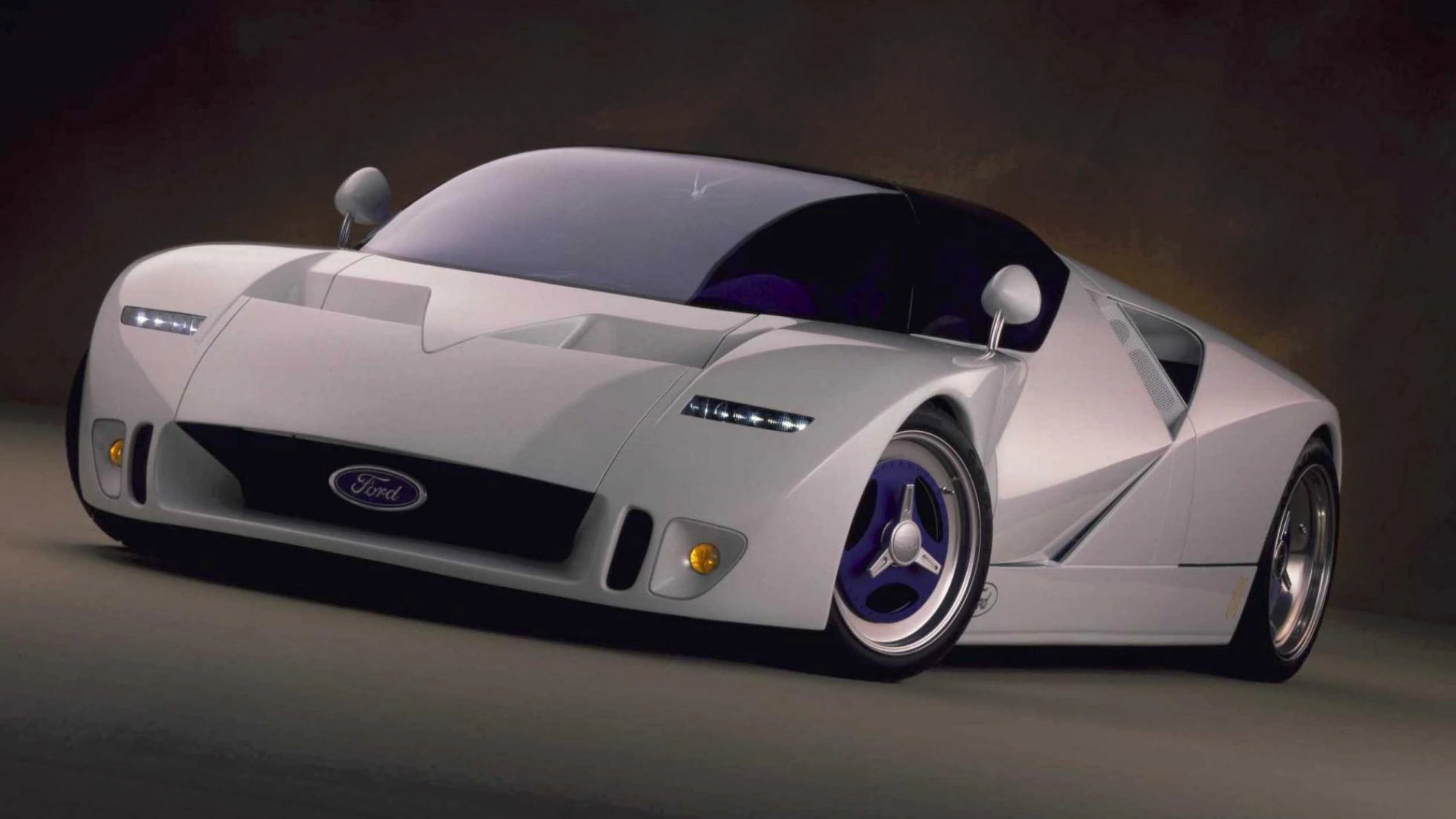
Yes, many concepts are production previews. For example, the Ford GT40 concept and the Chevrolet Corvette Sting Ray have directly influenced production models with only minimal changes.
How do designers know if a concept car will be successful?
They rely on auto show feedback, focus groups, and press reactions. However, this can be misleading because the public often loves the spectacle of a concept but buys the practicality of the production car.
Do concept cars ever predict future technology accurately?
Yes. Features like digital dashboards, LED lighting, and aerodynamic flush door handles first appeared on concept cars. The accuracy lies in the feature prediction, not the design itself.
Conclusion
The history of concept cars is the history of our own desire to be surprised. We love the fantasy, even when we know we will eventually buy the sedan.
These vehicles are the only time in automotive design where we get to be poets instead of accountants. They are the pure expression of what we want driving to mean. They are flawed, they are often wrong, and they are absolutely necessary. If we can't dream it, we can't build it.
As a designer, I live for this tension. I live to explore the edges of that fantasy. The future isn't created by the guy who writes the regulations. It's created by the guy who draws the car that breaks them.